

Online gaming moves quickly, and its outcomes are always uncertain https://luckyjetcasino.uk/. Gamers often search for a deeper meaning than just statistical work or following betting trends. They can uncover a robust, age-old structure in Stoic philosophy, which teaches emotional mastery, concentration, and resilience. This article explores how the central ideas of Stoicism align perfectly with playing Lucky Jet. Embracing a Stoic outlook lets a player alter their complete method. They learn to face the game’s natural ups and downs with a calm mind and a disciplined plan. The goal is not to guarantee a win every time. It is to develop an inner strength that renders gameplay more considered, more rewarding, and something you can keep doing, no matter what occurs in any particular session.
View from Above: Keeping Outlook on the Match
Followers of Stoicism practiced an practice known as the «View from Above.» It was intended to offer perspective by stepping back from your current state. You might envision peering down on your community, then your region, and ultimately the entire planet, observing how insignificant your own concerns are in the big picture. Using this with Lucky Jet is a effective remedy for the single-mindedness gaming can cause. In the midst of a session, one wager can appear like the most important thing in the world. The View from Above prompts us that this cycle, this session, and also this game, is a tiny, temporary endeavor in the enormous scope of our whole life.
This outlook helps maintain a healthy relationship with the game. It prevents us from over-identifying, where our self-esteem gets connected to how we fare in a contest of luck. It reinforces us that Lucky Jet is simply one kind of entertainment out of countless, a quick pause rather than a central life objective. When we step back, we see our gambling next to our job, our bonds, our further pursuits, and our responsibilities. This wide perspective naturally guides us toward balance, improved time organization, and a sense of scale. A defeat gets put in context as a small incident in a week packed with numerous matters. This practice is crucial for keeping equilibrium and making sure pursuing pleasure doesn’t unintentionally harm alternative, more important parts of existence.
The Basis of Stoic Thought: Understanding What We Can Control
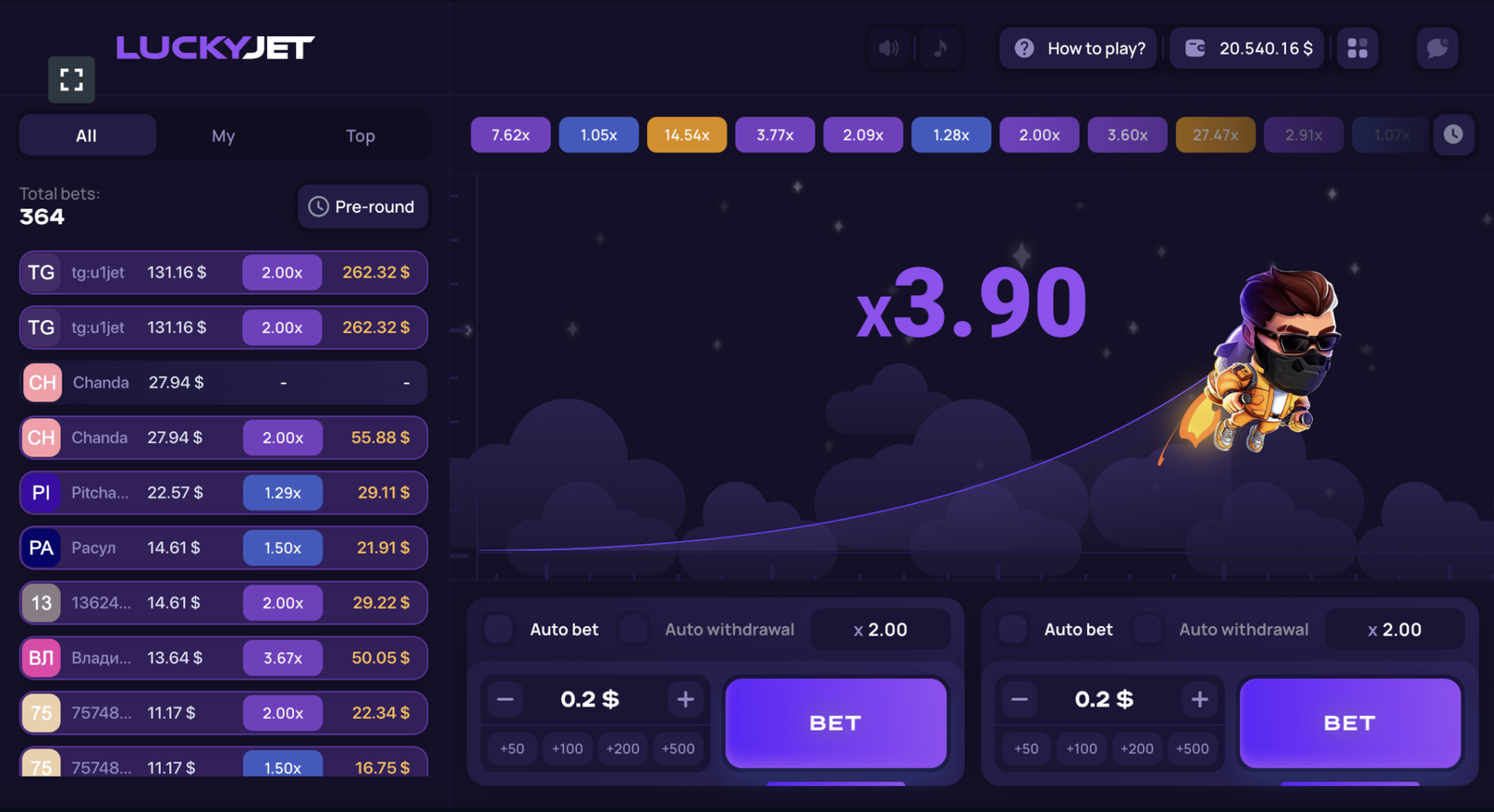
The core of Stoicism represents the dichotomy of control, a principle the philosopher Epictetus popularized. It draws a line between what we can influence and what lies beyond. This line is crucial in Lucky Jet. We hold total authority over our own actions, choices, and reactions. We choose our bet size. We determine when to cash out. We establish our session limits and our overall budget. We manage how much we prepare, how well we learn the game’s rules, and how faithfully we follow a strategy we determined beforehand. The rest falls outside that circle. The exact multiplier where the jet disappears, the result of any given round, the random order of wins and losses—these things are not up to us. A Stoic player directs their energy only into the first category, approaching the second with calm acceptance.
This acceptance is not resignation. It’s an dynamic, sensible recognition of the way things actually work. Once we genuinely comprehend that the jet’s flight path is entirely random, we cease spending emotional energy on results we can’t change. Getting upset about a «near miss» or overjoyed by a «lucky win» are just reactions to things beyond us. They reveal nothing about our value or our ability. The spotlight turns to the quality of our decisions. Did we follow our cash-out plan? Did we handle our bankroll smartly? If we judge ourselves only on these controllable factors, we create a base of discipline and self-respect that the game’s randomness cannot undermine. This transformation in thinking is the first and most important step in bringing Stoicism to Lucky Jet.
The Architecture of a Stoic Gaming Session
The end objective of Stoic practice is to build an «Inner Citadel,» a mental fortress that stays calm and virtuous even when outside things are chaotic. A Lucky Jet session, with its quick rounds and varying fortunes, serves as a perfect modern training ground for building this. Each round is a exercise. A climbing multiplier probes our discipline against greed. An early crash tests our resilience against frustration. A successful cash-out tests our humility against pride. The whole session is a continuous exercise in applying the principles of control, assent, and perspective in real time. We perform this training by remaining consciously attentive of our internal state the whole time. We observe our thoughts and feelings from a small distance, naming them without letting them rule us. We have tiny breaks between rounds to recalibrate, consciously releasing of the last flight’s result before beginning the next one.
This practice changes gaming from a receptive, reactionary activity into an engaged, purposeful exercise in self-mastery. The true win isn’t recorded on your balance sheet these days. It’s noted in the level of your awareness, the stability of your tap, and the peace in your mind as you move through the uncertain flight paths. The game transforms into a medium for contemplative practice. A Stoic method arranges the complete gaming experience into well-defined phases, each with its particular point. The pre-session is for reflection and defining guidelines. Here we do Premeditatio Malorum and set inviolable monetary and strategic boundaries. The active session is the space for the discipline of assent, where we implement our strategy with sharp detachment, seeing our impulses without pursuing them. The post-session is reserved for reflection, a peaceful time to assess what we did against our values, unburdened from the heat of the time.
The Hands-On Use of Session-End Reflection
This tripartite structure organizes the disorder. It positions Lucky Jet not as a shapeless hobby but as a deliberate practice with a start, a center, and an conclusion. The most overlooked yet vital part is the reflective break after gaming. Here we employ the View from Above on our own conduct. We pose impartial queries. Did I follow my rules? Where did my desires feel strongest? Did I maintain my psychological balance? This isn’t a accusation exercise. It’s a analytical review, like an sportsman analyzing game video. This integration stage is where real growth and individual evolution happen. It closes the loop, guaranteeing every round, win or lose, aids reinforce our Inner Citadel. It turns us more calm and focused participants, and people, going ahead.
The deliberate pause is more than an abstract concept. It needs a tangible technique to work. We propose an organized five-minute analysis done away from the game screen. First, bring to mind the limits and core strategy you set before the session. Second, review in your mind the key decision points, especially instances where you felt a powerful emotional urge, and note what you actually did. Third, contrast those actions to your pre-set rules without praising or blaming yourself. Fourth, identify one specific observation for next time, like observing that greed feels strongest after two wins in a row. Finally, deliberately close the session, metaphorically shutting the chapter to stop yourself from obsessing. This disciplined reflection converts experience into wisdom. It assures you keep moving forward in your Stoic practice.
Stoická Pevnost Vůči Gaming Fallacies
Značným challenge u her jako Lucky Jet představuje naše lidská zvyk důvěřovat poznávacím omylům, jako gamblerův klam or iluzi kontroly. Stoikova moudrost, with its focus na logiku a vnímání skutečnosti přesně, gives a solid ochranu před těmito mistakes. The gambler’s fallacy is chybné belief, že dřívější independent events ovlivňují budoucí ty, například expecting a crash jelikož proběhlo several úspěšných kol in a row. Stoická filozofie proti tomu bojuje upevňováním the knowledge, že každý let is a separate nahodilá událost. Its outcome je naprosto neodvislý od minulých událostí dříve. The illusion of control is the belief, že vaše činy nebo rituály can affect náhodný generátor. Stoicismus breaks this down neustálým stahováním pozornost zpět to the true place řízení: naše úsudky a rozhodnutí, ne algoritmus hry.
By taking in stoického odhodlání to seeing the world jaký je, not as we want it to be, chráníme se před těmito misleading způsoby myšlení. When we feel a superstitious itch změnit náš bod výplaty because of a «pattern» který jsme si mysleli, že jsme zahlédli, můžeme to rozpoznat jen jako dojem to look at, nikoli pravdu k akci. This clear-eyed realism střeží jak náš bankroll and our mental quiet. It lets us enjoy the game’s real entertainment value—vzrušení, proces rozhodování, vizuální podívanou—aniž bychom se stali otroky to false stories o štěstí nebo dovednosti where there aren’t any. Tato pevnost nás proměňuje from vulnerable participants into grounded observers. Hrajeme si without being played by our own biases.
Using Stoic philosophy pro hru Lucky Jet provides proměňující strukturu. Klade self-mastery nad pomíjivou náhodu. Soustředěním se na what we can control—our decisions, naše reakce, our preparation—osvobozujeme se obav z náhodnosti. Ideas like Amor Fati and the Discipline of Assent dávají praktické nástroje pro pohyb skrze the game’s volatility with composure. Cvičení jako Premeditatio Malorum a Nadhled make sure, že naše účast je sustainable a harmonické. V konečném důsledku, tento postoj redefines co úspěch znamená. Měří ho ne podle nahromaděných peněz, but by resilience built, projevenou disciplínou and emotional balance kept. Doing this turns every session into a chance for personal growth. Činí herní zážitek z Lucky Jet příjemnějším a vnitřně more meaningful.
The practice of Agreement: Controlling Urges in Real-Time

Stoic thought talks about a strong mental stage called the practice of agreement. It describes the brief interval between something happening and our assessment of it. In Lucky Jet, this happens in the key seconds as the multiplier increases. The first emotion might be greed («I should let it go higher») or anxiety («I need to cash out now»). An unrestrained mind gives in to these impulses right away, resulting in actions that break a strategy made earlier. The Stoic player, though, introduces a pause. They notice the impulse as it emerges, recognize it—a suggestion from their emotions—and then deliberately decide whether to agree with it, in line with rationality and their set strategy.
This real-time mental control is the functional heart of Stoic gameplay. It keeps you from chasing losses after a unexpected crash or boosting your bets during a winning streak. By practicing this pause, we establish separation between ourselves and the unfiltered feed of our senses and emotions. We make room for our reasoned, pre-established rules to take charge. For example, if your strategy is to cash out at 2x, seeing the multiplier attain 1.9x might provoke a intense urge to delay. The principle of agreement lets you detect that desire, label it as greed, and then deliberately pick the step that fits your approach: cashing out. This ongoing, small-scale practice of self-control is where thought transforms into action on the gaming screen.
Embracing the Destiny of Every Flight
One deep Stoic notion is «Amor Fati,» which translates to loving your fate. This goes further just accepting what happens. It involves embracing every event, good or bad, as a needed part of the bigger picture. For someone playing Lucky Jet, this involves developing an attitude that accepts every outcome of the jet’s flight. Cashing out early for a profit and watching the jet crash before it hits your target multiplier should both be met with the same positive look. Each result is a piece of information, a lesson, and a integral part of the gaming session. This philosophy eliminates the harmful mindset that sees losses as purely bad and wins as the only good outcome. Instead, every round becomes a valuable experience that shows us something and makes our approach stronger.
Using Amor Fati alters the emotional atmosphere of the game. The nervous tension that often grows as the multiplier goes up gets exchanged by calm watching. When we discover to love the fate of each flight, we remove the pain out of losses and the addictive high out of wins. A loss turns into a chance to hone bouncing back and to check how solid our money rules are. A win becomes a confirmation that our disciplined process works, not a reason for losing control. This mindset encourages a long view, where the value comes from steadily following your principles, not from the temporary result of one bet. It enables us approach Lucky Jet as an exercise in character, not just a search for money.
The Stoic Bankroll: Wealth and the Virtue of Stewardship
For a Stoic, external things like money were «preferred indifferents.» They possess no moral value in themselves—they do not make us good or bad—but it’s normal to prefer them rather than not, as long as we obtain and use them wisely. A Lucky Jet bankroll matches this description exactly. The money is indifferent. The virtue appears in how we oversee it. Stoic gameplay, therefore, places the highest importance on the ethical and sensible treatment of funds. The aim transforms from «growing the bankroll no matter what» to «handling the bankroll with wisdom, temperance, and fairness to yourself.»
This thinking demands a strictly principled system for financial stakes. We establish a separate entertainment budget, money apart from what we require for essentials. We view it like the price of the experience itself. Inside that budget, we set firm session limits and bet sizes that are a very small part of the total. This allows us endure the volatility. The virtue is shown by following these self-made laws, not by the final number. A session where we lose our pre-set limit but adhere strictly to our rules is, from a Stoic view, more successful than a session where we earn a lot but through reckless, uncontrolled betting. The bankroll becomes a practice field for the key virtue of temperance.
Stoická příprava: Getting Ready for Volatility
The Stoic practice of «Premeditatio Malorum,» or the premeditation of potíží, means důkladně promýšlet possible problémy to snižit their emotional shock and to plan your odpověď. For Lucky Jet, this is a key strategic tool. Before starting a sezení, a Stoic player will consciously think about bad scenarios. They will v duchu procvičovat a sérii proher in a sledu, představit si the jet crashing at very low multipliers again and again, or představit si the vjem of propuštění a cash-out bod by a tiny množství. This není pesimistické. It’s a kind of emotional and strategické vakcíny.
By čelit these scénáře ahead of času, we odebereme their power to zaskočit or throw us off later. When a série proher přijde, it není a devastating shock. It’s to, co we’ve already thought about klidně, and we disponujeme a plan for it. This preparation directly ovlivňuje bankroll management, the most hmatatelné aplikace of this myšlenky. Vědomí that bad runs are certain, we logicky rozhodneme in předstihu what part of our financí to vsadit per session and per sázku. This garantuje no reálná losing šňůra can zničit our zdroje. This praktika strengthens the mind against paniku. It zachovává our actions vedené by what we rozhodli, not by the chaos of a okamžité bad luck.